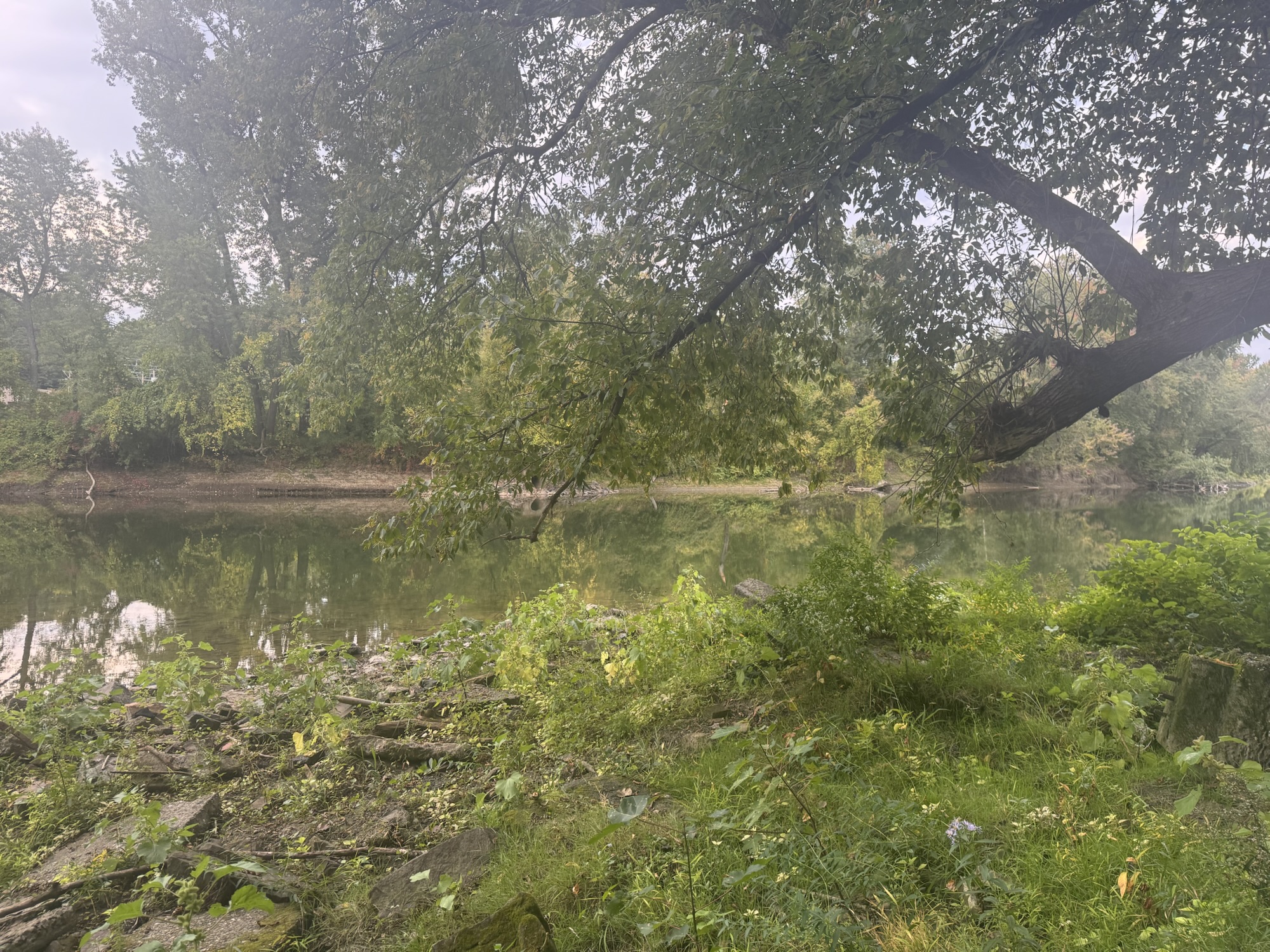
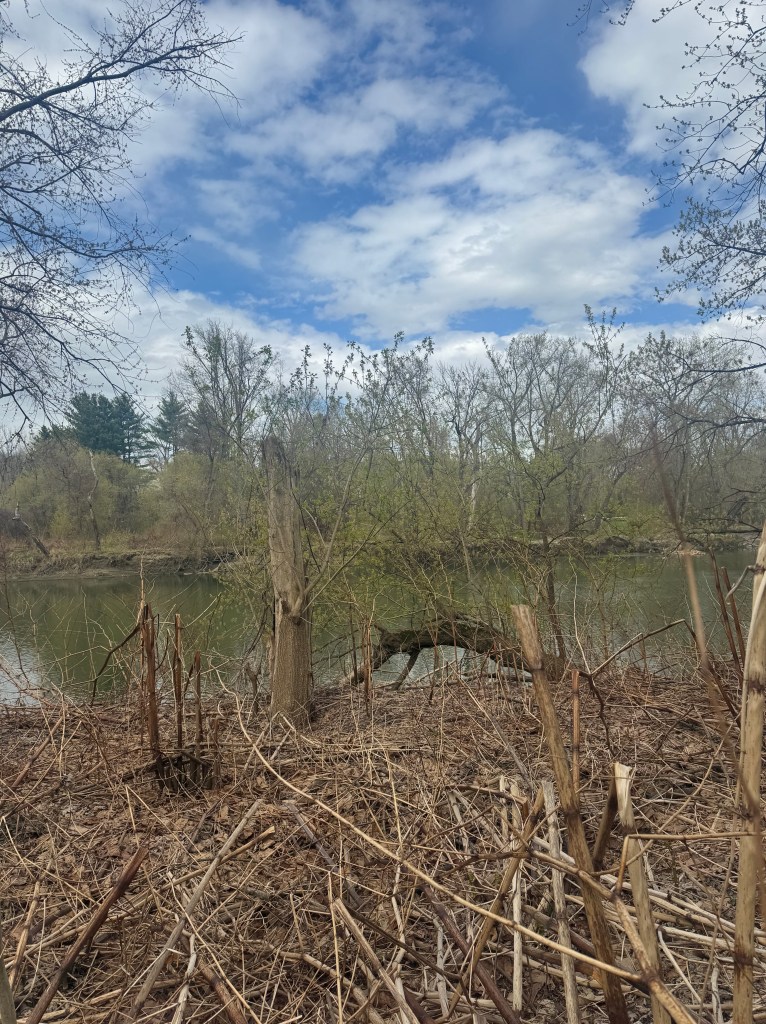
• Since the last time I visited my site, all of the snow has melted, and the ground is fully visible again. All of the plants that got buried in the snow are dry and dead, and there were around 50-75 new knotweed sprouts. There were a few ostrich ferns starting to grow, but other than that there weren’t really any living plants other than the old trees that have been there since the fall. When I first visited my site, there were many maple sprouts and a lot of living grass. I never noticed any knotweed, but I may have just overlooked it. When I visited this past week, I somehow ended up in the wrong spot (oops…) which is probably why I noticed a lot of differences, but I could imagine that the plants at my actual site aren’t exactly thriving right now after the winter either. The water also seems to be a little higher at this time of the year since all the snow finally melted. This year, I have become familiar with the bridge near my site that connects two gaps over a little waterfall, along with a tree that splits the path in two right before reaching my spot. I consider myself to be a part of this place, and I think visiting Salmon Hole multiple times throughout the year really helped me develop a sense of belonging in nature and in Vermont. I noticed that the birds were coming back out, seeing a few gulls and hearing robins and chickadees.
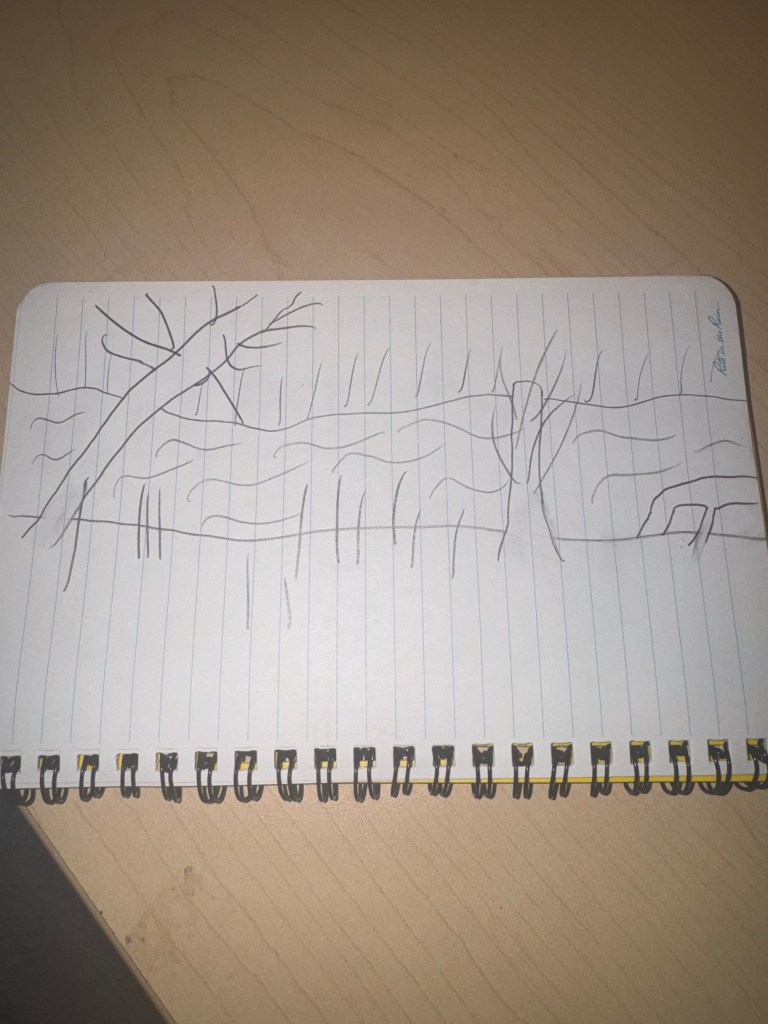
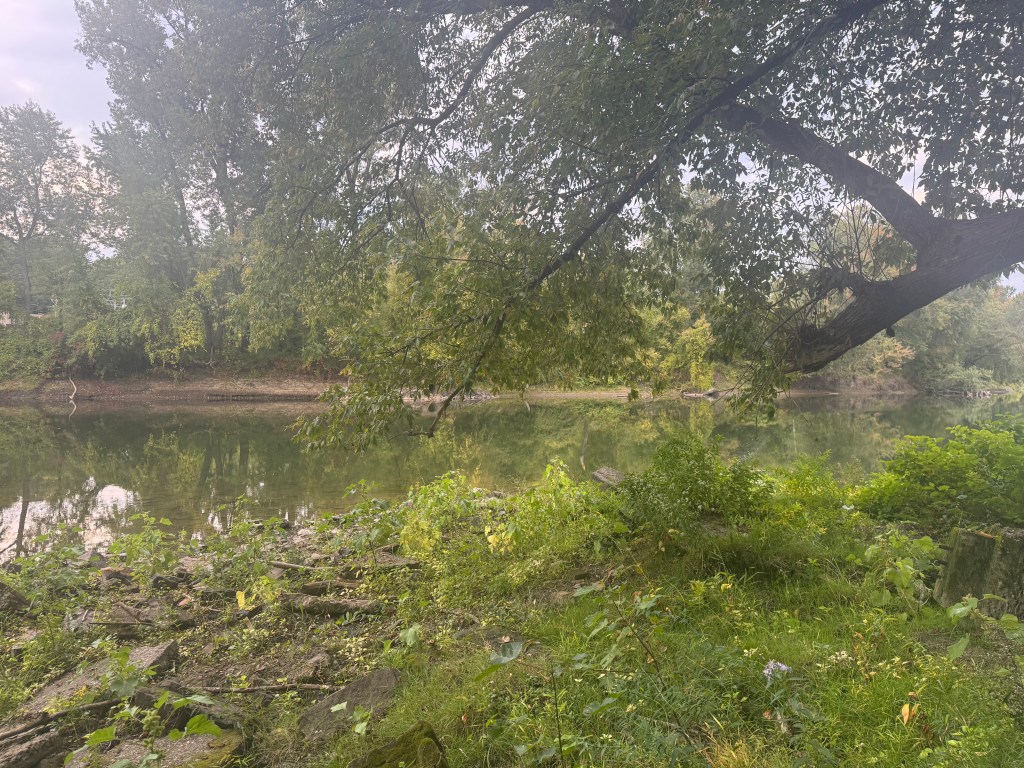
    September
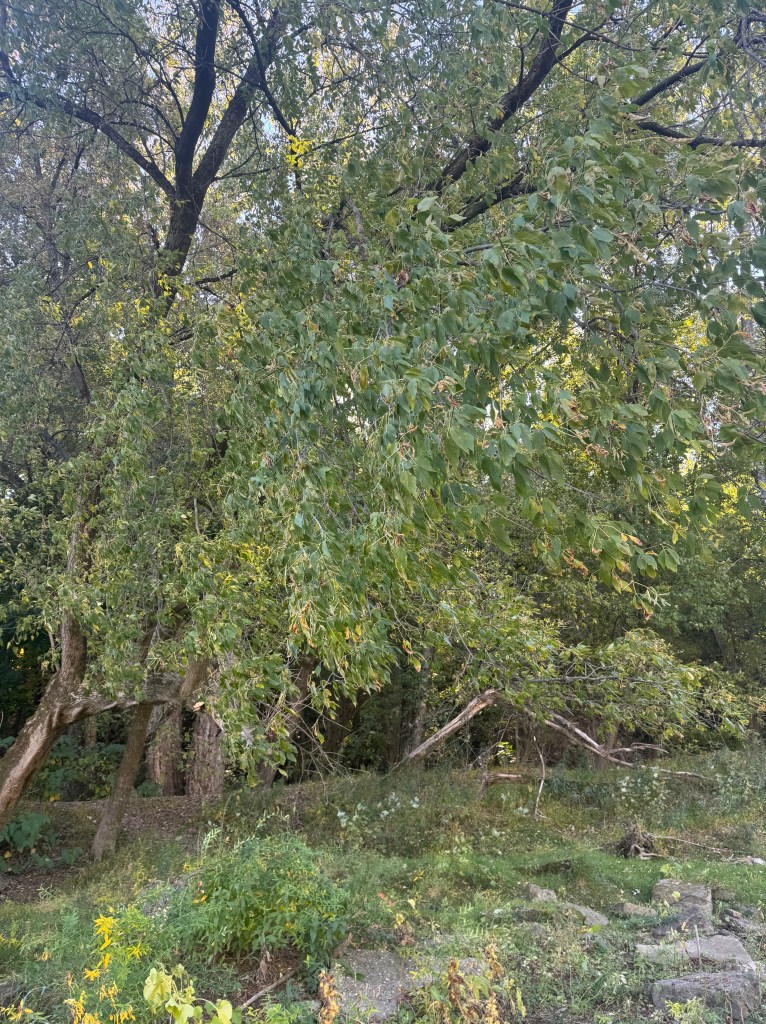
    October
    December
    April
  • 4/10/2026

    The sugar maple, the Norway maple, and the red maple trees all showed buds. The white oak and the sugar maple trees showed some leaves that were still attached from before the winter season. Nothing seemed to be changing in the red oak tree, and no other observations were recorded in the other four. On the NPN website, the late bloom index shows a large amount of late blooming plants in southern areas, particularly Texas and Arizona. This could be due to a dry season in both of these areas, causing plants to not have the water or nutrients they need in order to bloom.

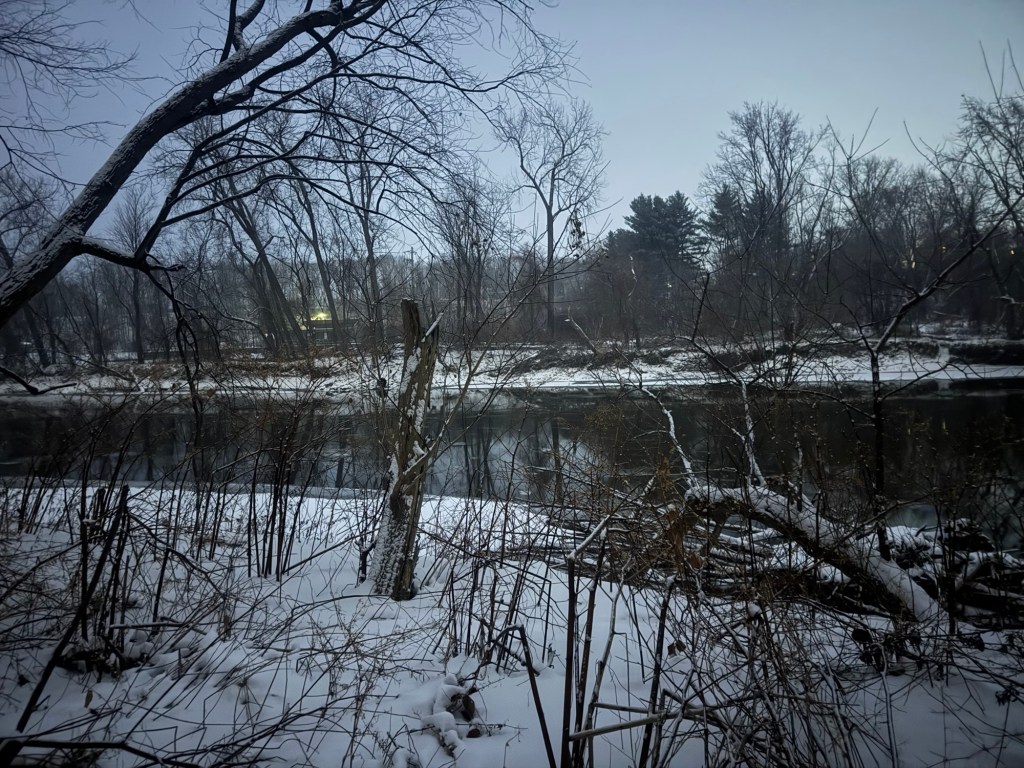
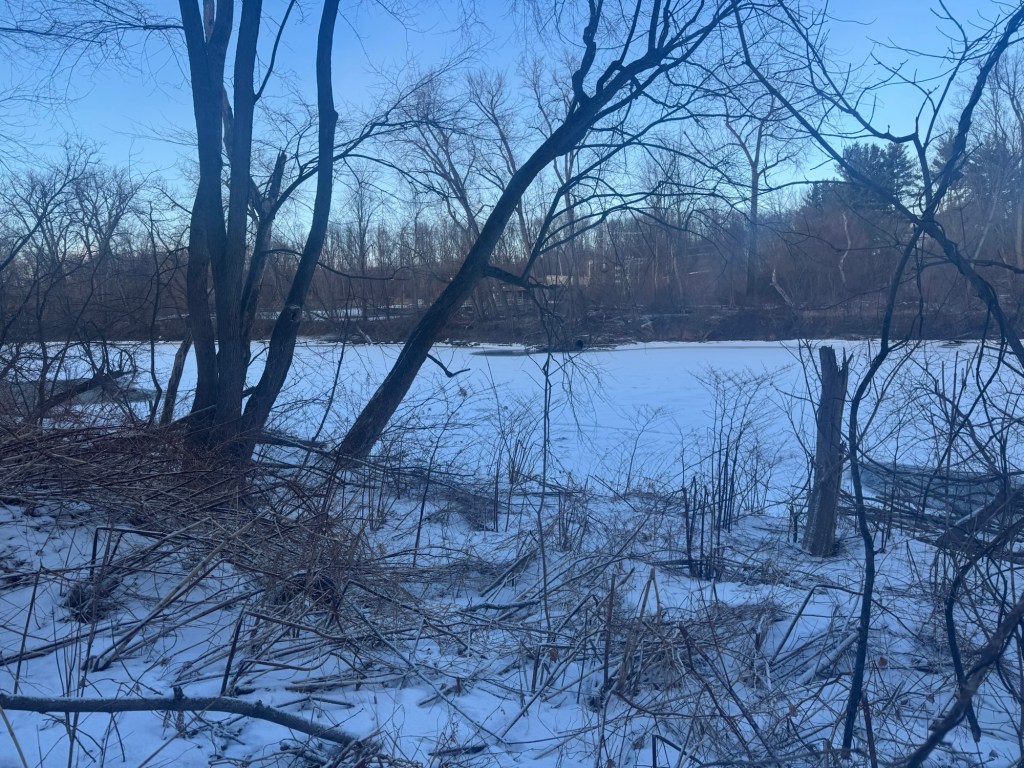
  • My visit was cut a little short because of physical issues I was having on the day I went :(. I did not see or hear any wildlife activity while I was at my site, but I did notice that there were a lot more dead trees and loose branches on the ground than there were during my last visit in December. The river was almost completely iced over so I couldn’t even hear the running water like I normally could, which was another major phenological change I noticed.

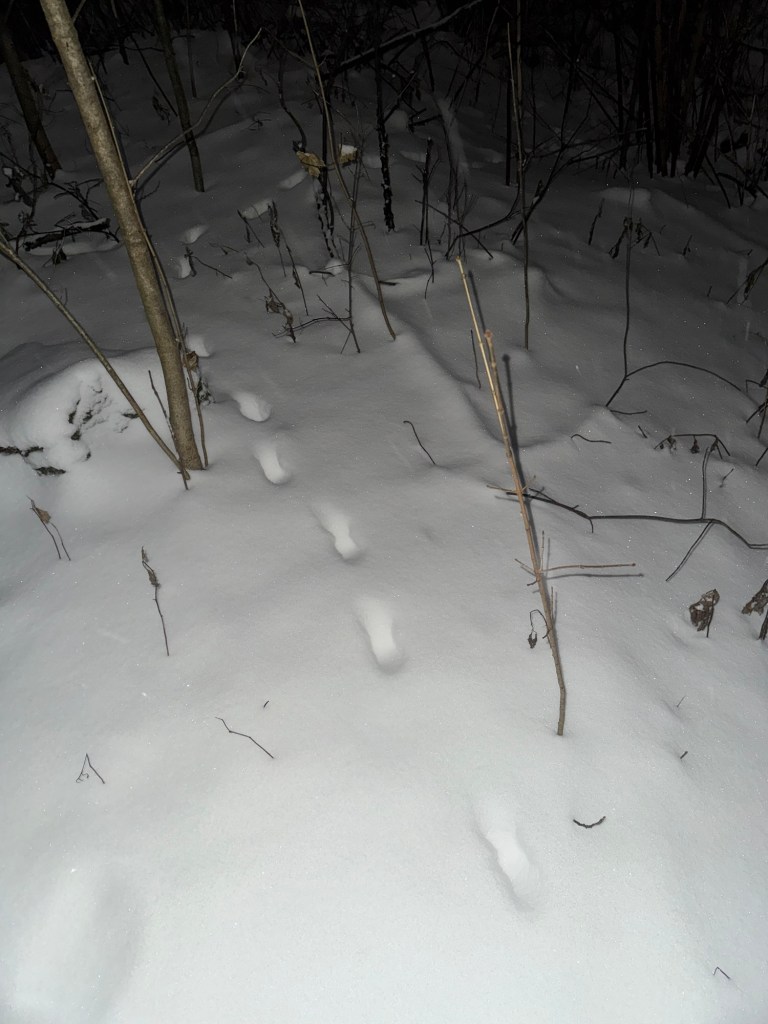
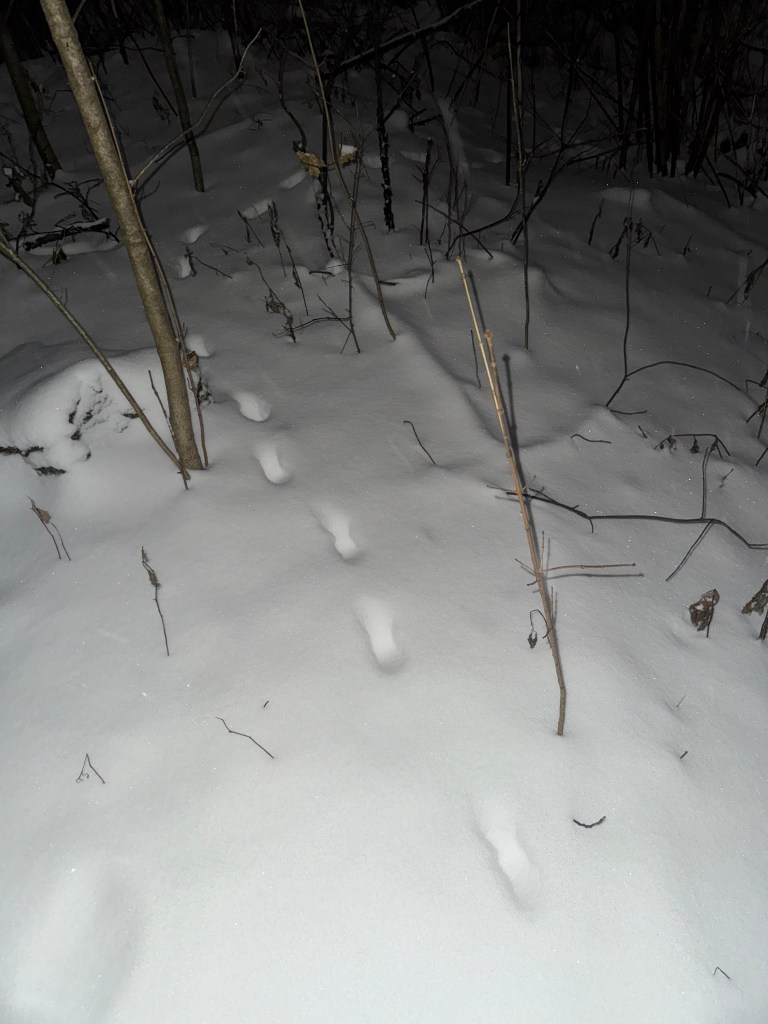
  • All leaves have fallen off of the trees, and the leaf litter is invisible due to the thick layer of snow on the ground. No signs of persistent fruit or vegetation anywhere. Snow tracks from a small animal, possibly a rabbit, were spotted in the nearby area, and there were sounds coming from a water bird of sorts, which shows that animal activity has changed in this area. I didn’t hear any water birds during my last visit, which means that they have either migrated here or are simply in the process of migration. Other than those two observations, there doesn’t seem to be any evidence of animal life around here.

  • My experience sitting at the center of my site was peaceful, excluding the sounds of cars on the nearby street. My main focus was the natural sounds, such as the rushing water of the creek and the rustling leaves above me. Most of the leaves have fallen off of the trees, but a few are still standing strong.

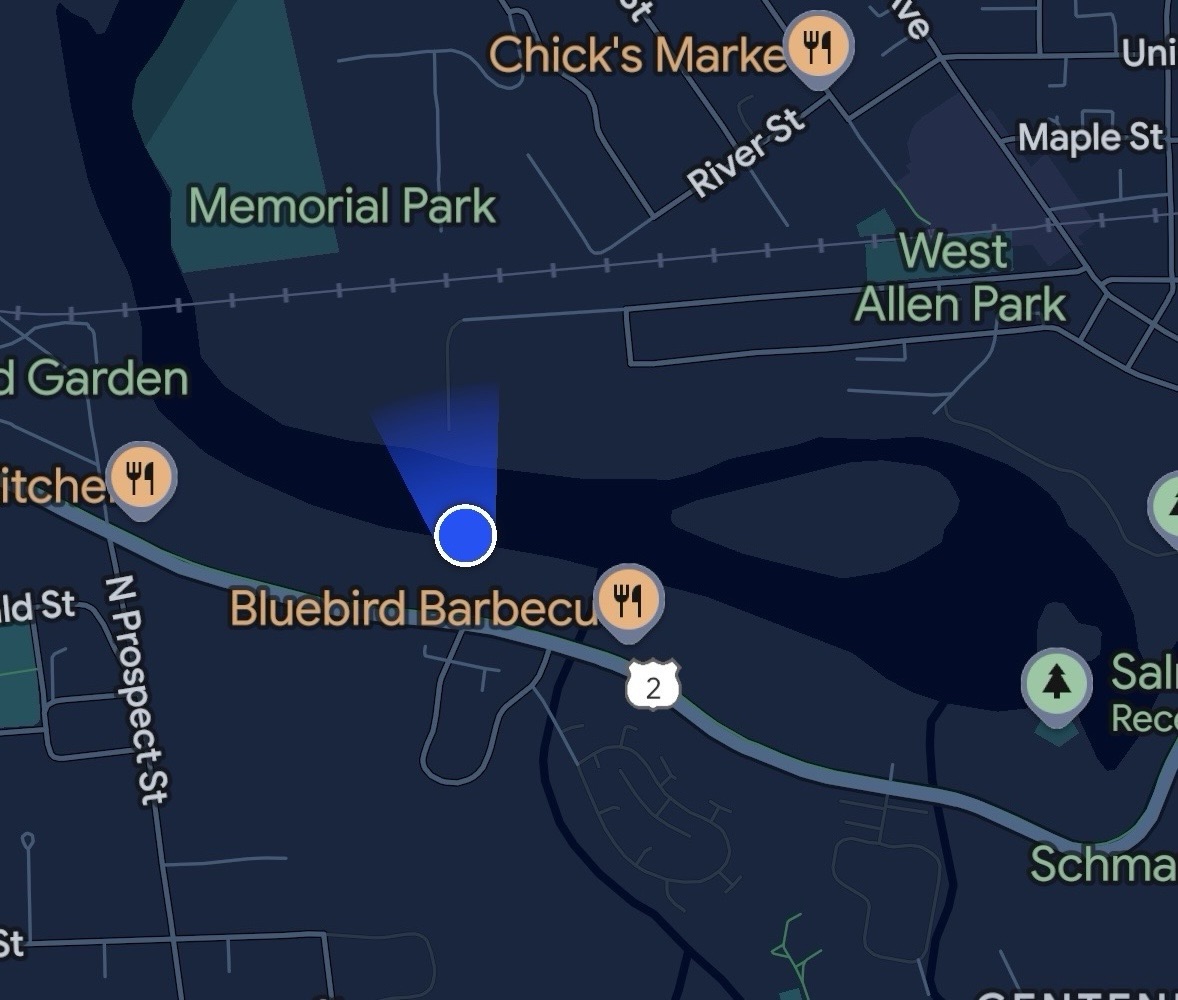
  • My site is located at Salmon Hole, around a quarter mile down the river walk trail. I chose this place since it’s quite a bit of a walk from my dorm, which allows me to have a decent amount of alone time whenever I visit. Long walks are also good for me to clear my head when I’m stressed, which is why this was a perfect place for my phenology site.

    Most of the vegetation in this area was just grass or small trees. The most common woody plant I observed was red maple saplings along with a couple of small ferns. The large tree was observed to be a mahogany tree.